
November 21, 2026
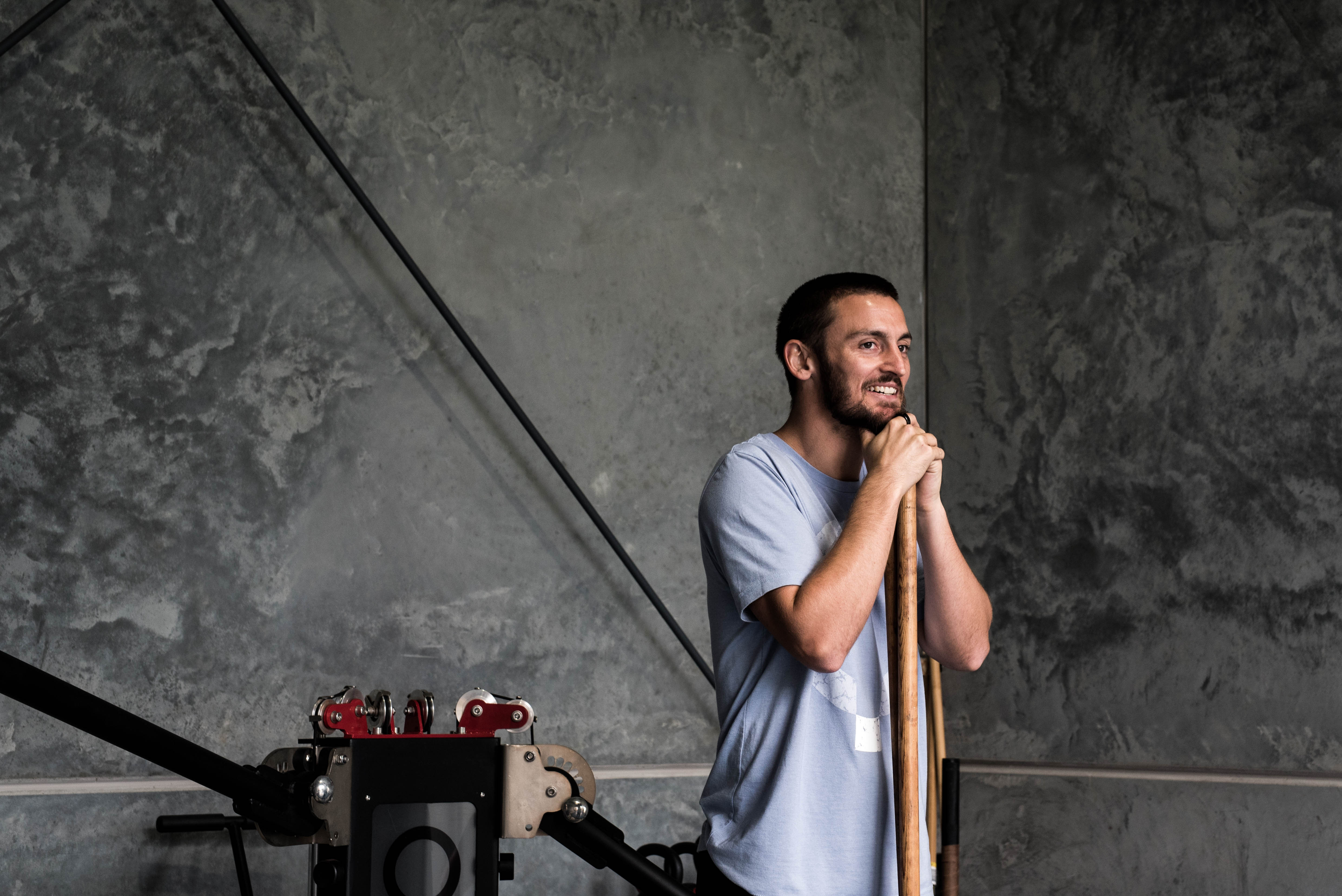
What happens when you leave the gym?
Do the principles you've just spent an hour learning disappear?
For most people, that's exactly what happens.
They train.
They go home.
They return to their normal movement habits.
Then they come back a few days later and try to relearn everything again.
Functional Patterns takes a different approach.
The purpose of training isn't simply to become good at exercises.
It's to improve your ability to use your body in the real world.
A gym gives you a controlled environment.
You can slow down.
You can repeat movements.
You can receive feedback.
You can experiment.
You can learn how to organise your body in relation to gravity and produce movement more efficiently.
But real life doesn't happen in a controlled environment.
You need to walk across a car park.
Carry shopping.
Pick up your kids.
Climb stairs.
Work.
Run.
Play.
Move furniture.
Get up from the floor.
That's where your movement capacity actually matters.
Consider how many times you walk every day.
How many times do you stand up?
How often do you reach, carry, bend, rotate or change direction?
Compared with that, even three one-hour gym sessions represent a very small percentage of your total movement.
This is why daily integration matters.
If you learn something in the gym but never apply it outside the gym, you've learned an exercise.
If you learn something in the gym and gradually integrate it into the way you move through life, you've learned a movement strategy.
That's a much bigger change.
This doesn't mean you should spend every waking moment analysing your posture.
You don't need to walk around thinking about every muscle.
Instead, choose one or two concepts from your training and deliberately practise applying them.
Walking is a great example.
You might spend a session learning how to organise your body more effectively while walking.
Then, instead of only practising during the session, start applying that awareness when you:
The practice becomes distributed throughout your day.
Posture isn't simply about trying to hold yourself in a particular shape.
Your body is constantly organising itself relative to gravity and the task you're performing.
That's why we're interested in contextual posture rather than simply telling someone to "sit up straight."
The goal is to develop the ability to organise your body appropriately for the task.
Choose one movement you perform every day.
Walking is ideal.
For the next seven days, take what you've learned in the gym and deliberately apply it while performing that movement.
Don't try to change everything.
Choose one thing.
Practise it.
Observe it.
Then gradually make it automatic.
The ultimate goal is for good movement to become less something you do at the gym and more something you live through every day.

